

Formulation decisions, particle-level.
Subvisible particle (SVP) stability testing for parenterals—particle-level identification of polysorbate degradation products, proteinaceous particles, silicone oil, and more.
Fewer surprises in stability testing.
Polysorbates such as PS20 and PS80 can protect proteins from surface stress—until they don’t. When they degrade, free fatty acids can form and precipitate, changing the particle landscape and increasing formulation risk.
SizeID.bio makes these pathways measurable. Using Morphologically Directed Raman Spectroscopy (MDRS), we detect and chemically identify particles directly in biopharmaceutical injectables, linking chemistry, morphology, and formulation conditions to what you see in stability.
-
A rising SVP trend is rarely actionable without attribution. MDRS helps you identify what’s driving change—so you can respond with the right formulation or process decision.
-
Proteinaceous particles (PPs) vs silicone oil droplets (SiOPs)
Polysorbate degradation products (PDPs) / fatty-acid precipitates
Other SVPs linked to container/closure, processing, or handling (extrinsic)
-
Particle-level chemical ID (not bulk inference)
Morphology + chemistry linked per particle for defensible attribution
Time-series comparability to track change across stability time points
Investigation-ready outputs for QA/CMC and external questions
-
SVP attribution summary (what is present + how it shifts)
Representative particle images + Raman spectra
Audit-ready, traceable reporting under GMP scrutiny (ISO 9001–supported execution)
Optional: trend views across conditions / time points
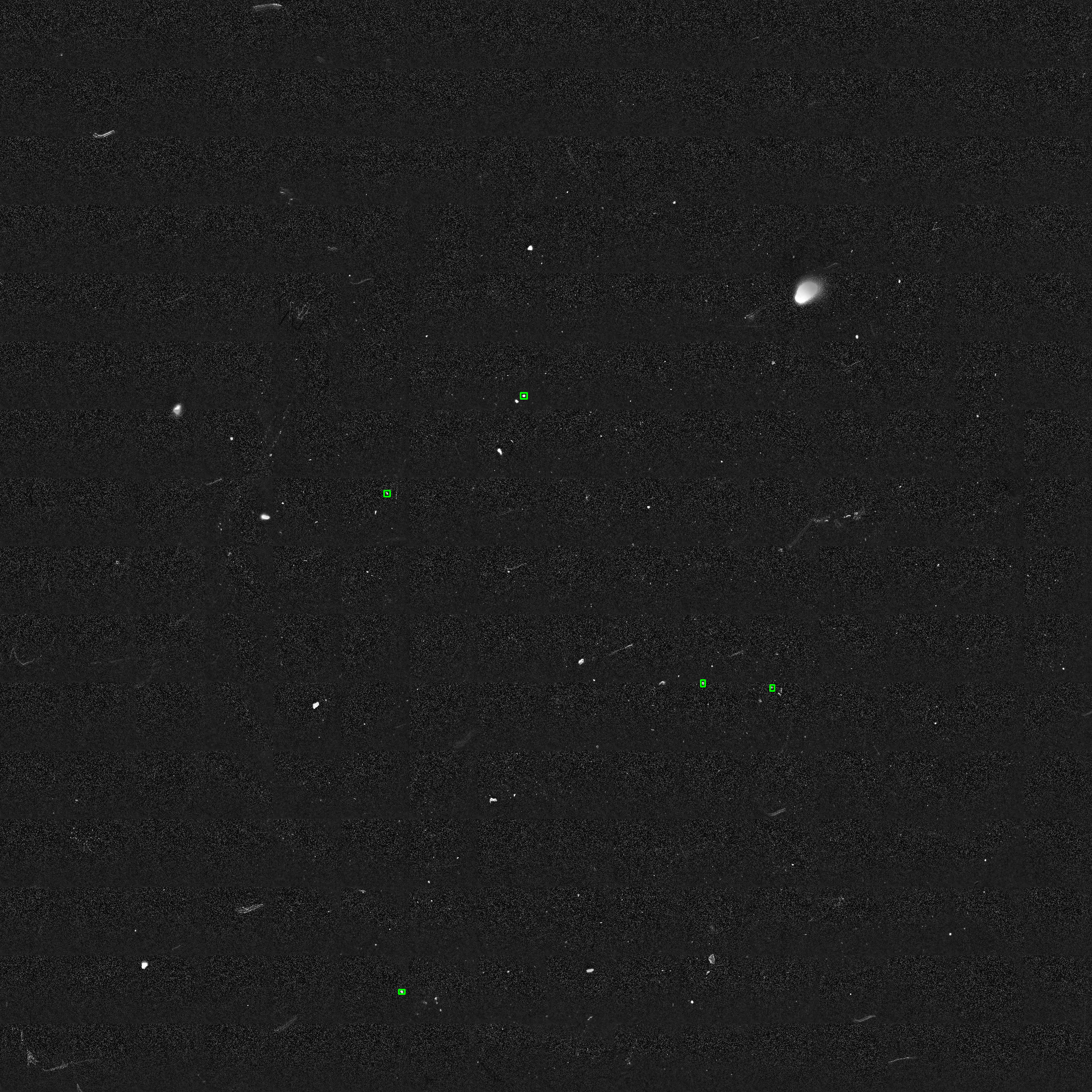

Proteinaceous Particle, PP | 1.3 µm | 5s Raman